 Mindelo Life
Traditional Cape Verdean Food in Mindelo: Dishes and Where to Eat Them
Cachupa, caldo de peixe, bafa, cuscuz, grogue and the rest: what the dishes actually are, where the names come from, and the sourced Mindelo tables where to eat them.
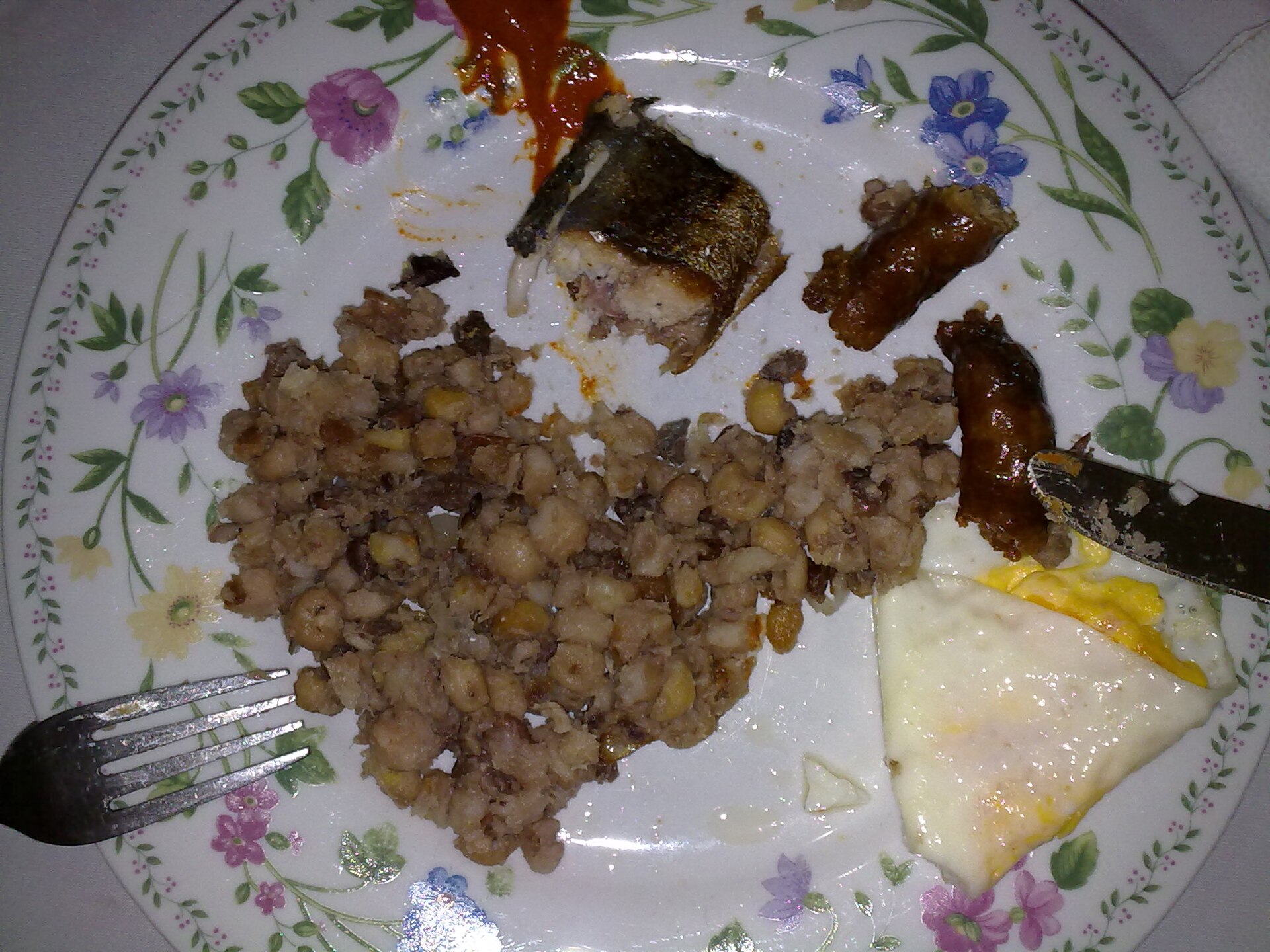 Photo: Adriao (CC BY 3.0) via Wikimedia Commons
Cape Verdean cooking is an Atlantic pantry in a pot: dried corn and beans from the islands, salt fish and island stews, sugarcane spirits, and a breakfast culture built on yesterday's stew. This guide explains the dishes with the sources named, then points to verified Mindelo tables where you can eat them. Once you know what the words on a menu mean, ordering becomes half the pleasure. If Christmas is your trip, the Christmas guide describes the holiday table; the restaurants guide collects the full dining picture.
Cachupa: the national dish and its versions
Cachupa is the slow stew of the islands: dried corn (small, yellow or white) simmered with beans, the local varieties with names like congo, sapatinha, fava and bongolon, plus whatever vegetables and protein the household can add (A Semana, 21 March 2024). Two versions are standard, and the difference matters when you order: cachupa rica, rich with several meats and sausages, is the celebration pot of weddings, baptisms and saints' festivals, while cachupa pobre, humbler, with a single protein, is the everyday one (A Semana; Boa Vista Official). A published reference recipe in the national daily lists the canonical fill: corn, beans, beef, pig's trotter, chouriços, potatoes, cassava, sweet potato and cabbage, finished to a texture that "should stay a little liquid" (A Nação, 20 May 2022).
The day after, the pot becomes breakfast: cachupa refogada, yesterday's stew fried in a skillet, classically served with a fried egg and coffee (A Semana; Boa Vista Official). Encyclopaedia lists add cachupa frita and guisada as standard further variants (Wikipedia: Cape Verdean cuisine).
From the sea: caldo de peixe and bafa
Caldo de peixe is the fish stew of the coast, usually mackerel with potato, pumpkin, carrot and greens, served with rice and purées; the same A Semana gastronomy column that canonicalised cachupa carries a caldo de peixe recipe (A Semana; Wikipedia). Bafa is the festive opposite: a quickly made seafood or meat snacking plate, taken with beer, wine or grogue in a celebratory manner (Wikipedia, a tertiary source we flag as such). In a port city, the fish market tells you what the kitchens will be cooking that day: see the markets guide.
Small plates and sweets
Cuscuz here is not the North African grain but a sweet steamed corn cake, eaten at breakfast with butter or coffee (Wikipedia: Cape Verdean cuisine, again a tertiary source). The fried pastéis com atum, little tuna pastries, circulate through cafés and celebrations; specialist food writing keeps the recipes (Criola Cozinha, a blog source we label as such). And the Brava island specialty djagacida, a corn-and-bean bake, appears in the cultural record via the Fundação Verakis food-history pages (Verakis).
Grogue and ponche
Grogue, the national sugarcane aguardente, is distilled mainly on Santo Antão and Santiago, pressed in the trapiche mills of the valleys (Wikipedia: Grogue); a day among the stills is exactly what our Santo Antão day trip cannot honestly fit, which is reason enough to return for a second visit. Ponche is grogue's softer cousin, mixed with lime and molasses, or condensed milk in one variation (Wikipedia: Grogue).
Where to eat it in Mindelo
Verified tables for the dishes above: the Mochin De Monte kiosk at Praça Estrela (cachupa, feijoada, skillet-fried cachupa with chorizo and egg in the morning), Cafe Verde at the Municipal Market (mostly vegetarian Cape Verdean cooking), Pastelaria Morabeza (cachupa and Portuguese-style pastries), Nautilus on the waterfront (cachupa rica and lobster) and Américo's at the Ouril hotel (national and local dishes), per the guides and reporting cited in our restaurants guide (Archipelago Choice; Passaporte no Bolso; Mindel Insite).
Video: cooking the real thing
A traditional cachupa cooked step by step with Cape Verdean cook Nené.
Frequently asked questions
What is the difference between cachupa rica and pobre?
Rica is the rich version with several meats and sausages, served at celebrations; pobre uses one protein and is the everyday pot. Both are documented in the sources above.
What do Cape Verdeans eat for breakfast?
Often yesterday's cachupa, refogada (refried) with a fried egg and coffee, plus cuscuz, the sweet steamed corn cake, and Portuguese-style pastries at the pastelarias (A Semana; Wikipedia).
Is grogue the same as rum?
Grogue is Cape Verde's own sugarcane aguardente, traditionally distilled in the valleys of Santo Antão and Santiago; rum is a different (usually industrially aged) tradition. Ponche is the local mixed drink based on grogue.
Sources
- A Semana, 21 March 2024, for the cachupa definition, versions and refogada breakfast.
- A Nação, 20 May 2022, for the reference recipe.
- Boa Vista Official, for the rica/pobre social history.
- Wikipedia: Cape Verdean cuisine and Grogue, for caldo de peixe, bafa, cuscuz and spirits (tertiary, labelled).
- Fundação Verakis, for the food-history context and djagacida.
Image and video credits
- Hero photograph: Cachupa guisada com peixe by Adriao, via Wikimedia Commons, CC BY 3.0.
- Embedded video: Receita de Cachupa tradicional de Cabo Verde by AzoresTV, displayed through a direct lazy-loading youtube-nocookie.com iframe.
